Road Trip Car Prep Checklist: Tires, Fluids & Safety
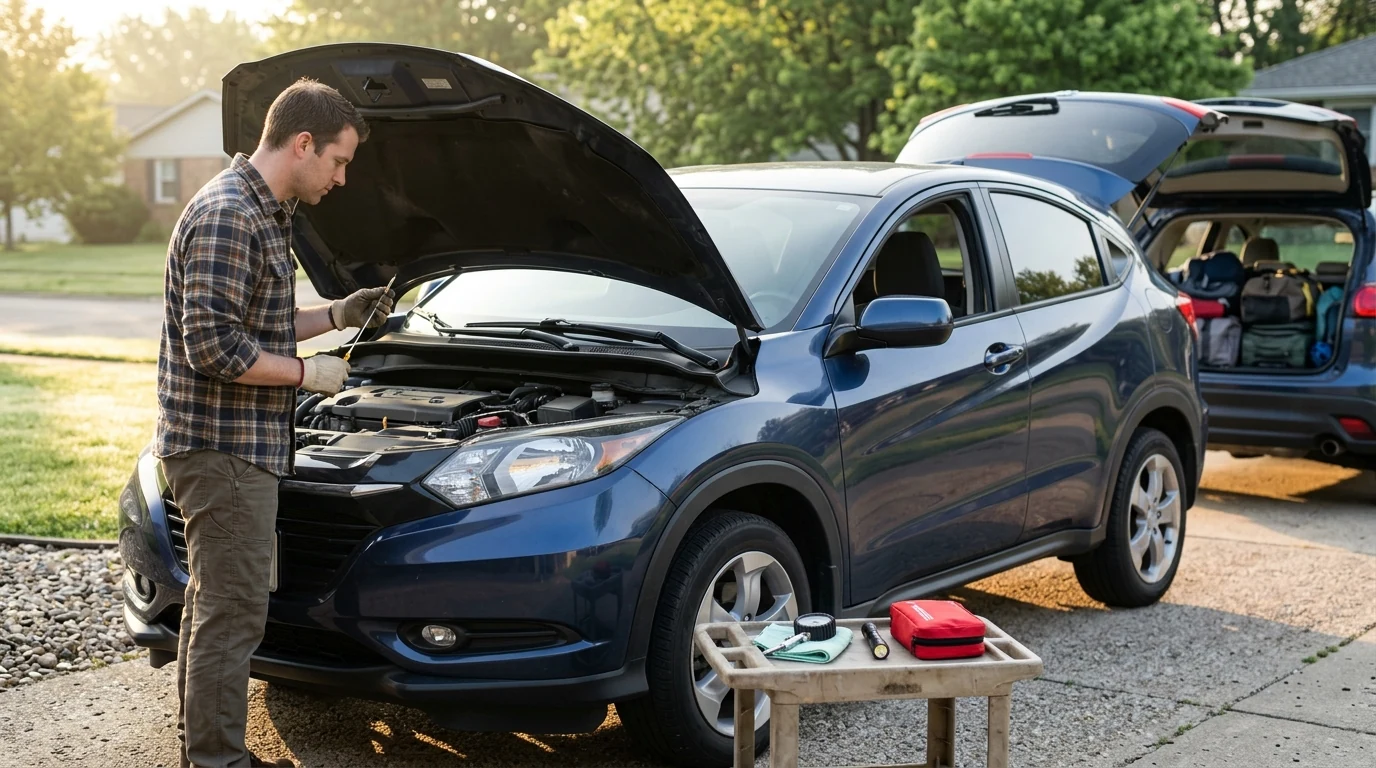
Getting the Car Road-Ready: A Practical Pre-Trip Checklist
A smooth trip starts before the key turns. Preparing a vehicle for highway miles means checking wear items, fluids, visibility, and safety gear, then doing a short shakedown drive to catch problems early. Use the steps below to reduce breakdown risk, improve comfort, and keep cargo secure.
Start with a quick walkaround and a 10-minute cabin reset
Before you open the hood or grab tools, do a simple loop around the car and a fast interior reset. This is where you catch the “small” issues that can become big annoyances at night or in bad weather.
- Look for fresh leaks under the engine bay and near the rear differential area; note any new spots after the car has been parked overnight.
- Check that all exterior lights work: low/high beams, turn signals, brake lights, reverse lights, hazards, and license plate light.
- Inspect wiper blades for cracking or streaking; top up washer fluid and confirm the spray pattern hits the windshield.
- Clear the dashboard area and footwells; make sure pedals move freely and nothing can slide under the brake pedal.
- Confirm mirrors are clean and adjusted; set seat position to reduce fatigue on long stretches.
If you like a structured print-and-go approach, Getting the Car Road-Ready can help keep the basics organized so nothing gets skipped when you’re packing and multitasking.
Tires and brakes: the two checks that matter most
Tires and brakes do the hardest work on a road trip. A few minutes here can prevent most “why did we stop on the shoulder?” scenarios. For tire safety guidance, the NHTSA tire resource is a solid reference for basics like inflation and tread.
- Set tire pressures when tires are cold and match the driver-door placard (not the tire sidewall); include the spare if equipped.
- Measure tread depth and look for uneven wear (inside-edge wear can suggest alignment issues; cupping can suggest suspension problems).
- Scan for sidewall bubbles, cuts, or embedded objects; replace questionable tires before a long drive.
- Listen for brake squeal and feel for vibration; check pad thickness if visible and confirm the parking brake holds on a gentle incline.
- If towing or fully loaded, verify tires are rated appropriately and increase pressure only within manufacturer guidance.
Pre-trip tire and brake check at a glance
| Item | What to check | When to act |
|---|---|---|
| Tire pressure | Match door-placard PSI (cold) | Adjust before departure; recheck next morning |
| Tread depth | Even wear, adequate depth, no cords showing | Replace if worn or uneven; align if needed |
| Tire damage | No bubbles, cuts, or exposed belts | Replace immediately if damage is present |
| Brake feel | Firm pedal, no grinding/vibration | Service before travel if noise or vibration occurs |
| Spare & tools | Inflated spare; jack and lug wrench present | Fix missing items before departure |
Fluids, belts, and battery: preventable roadside problems
Most avoidable breakdowns have a common theme: low fluid, neglected belt wear, or a weak battery that finally gives up at a gas stop.
- Check engine oil level on level ground; top up with the correct grade and address any rapid consumption or oil smell.
- Confirm coolant level (only when cool) and inspect hoses for swelling, cracking, or seepage at clamps.
- Check brake fluid and power steering fluid (if applicable); low levels may indicate leaks that should be repaired before travel.
- Review transmission fluid guidance for the vehicle; follow manufacturer procedure (many newer cars are sealed).
- Inspect the serpentine belt for cracks or glazing; replace if overdue or if any fraying is visible.
- Test the battery (or have it tested); clean corrosion at terminals and ensure the hold-down is secure.
Quick rule of thumb: if a warning light is on before the trip, it’s not “probably fine.” Get it scanned and resolved while you still have time to shop parts or book a service slot.
Visibility and comfort for long hours behind the wheel
Comfort isn’t a luxury on long drives; it’s part of staying alert. Visibility upgrades are often the easiest wins, especially for early mornings, dusk, or rain.
For a simple, repeatable setup that’s easy to share with other drivers in the household, Comfort Setup Planner is a practical way to standardize seat/mirror settings and break reminders.
Emergency basics and documents to keep in the car
The goal of an emergency kit is not to pack everything—it’s to cover the situations that actually happen: dead battery, flat tire, poor visibility on the shoulder, or an unexpected delay. If you want to fine-tune efficiency once you’re on the road, the U.S. Department of Energy’s fuel-saving driving tips can help reduce unnecessary stops.
If you’d rather not build the list from scratch each season, Emergency Kit Steps helps you tailor essentials to your route and weather without overpacking.
Load planning, weight, and a short shakedown drive
When passengers, luggage, and gear add up fast, Staying Under Weight Limits can help you sanity-check load and placement so the vehicle stays within its designed limits.
Trip-ready planning tools
FAQ
What should I do to get my car ready for a road trip?
Check tires (pressure, tread, and the spare), brakes, fluids (oil, coolant, brake), lights and wipers, and battery health, then confirm you have basic emergency gear. Finish with a short shakedown drive and a final look for leaks plus a quick tire pressure re-check.










Leave a comment